How to Choose a Certified Arborist: Questions to Ask Before Hiring
Maintaining the health and safety of the trees on your property is an investment that yields long-term benefits for your home’s value and the local ecosystem. However, tree care is a high-risk profession that requires deep biological knowledge and technical precision. Hiring the wrong person can lead to irreparable damage to your trees or, worse, liability for property damage. Knowing how to choose a certified arborist is the first step in ensuring your landscape thrives for decades to come.
While many companies offer “tree trimming,” a certified arborist is a professional who has achieved a level of knowledge in the art and science of tree care through experience and passing a comprehensive examination developed by some of the nation’s leading experts on tree care. For residents looking for high-standard service, Mossy Tree Care provides the expertise and safety protocols necessary for complex arboricultural tasks.
Why Certification Matters
An International Society of Arboriculture (ISA) certification is more than just a badge. it signifies that the individual is committed to the latest industry standards and ethical practices. Trees are complex organisms; pruning them incorrectly doesn’t just look bad—it can cause “stress” that invites pests and diseases.
When you look for a professional, you are looking for someone who understands tree biology, soil science, and safe climbing techniques. This is why ** Mossy Tree Care** emphasizes the importance of specialized training when dealing with the diverse tree species found in our region.
Top Questions to Ask Before Hiring
1. Are you an ISA Certified Arborist?
This is the baseline. If they are not certified, they may lack formal training in tree health and structural integrity. You can verify a certification number on the ISA website to ensure it is current.
2. Can you provide a current Certificate of Insurance?
Tree work is dangerous. If a worker is injured on your property or a limb falls on your roof, you want to be certain the company is covered by both General Liability and Workers’ Compensation insurance. Never take their word for it; ask for a certificate sent directly from their insurance agency.
3. Will you provide a written contract?
A professional will always provide a detailed proposal. This should include:
- The specific trees to be addressed.
- The exact type of work (e.g., “deadwood removal” vs. “thinning”).
- Debris removal and stump grinding details.
- The total cost and estimated timeline.
4. What industry standards do you follow?
The “gold standard” for tree care is ANSI A300. This standard prohibits harmful practices like “topping” (cutting off the tops of trees), which can permanently disfigure and weaken a tree. A certified professional will speak the language of these standards.
Red Flags to Watch For
When learning how to choose a certified arborist, knowing what to avoid is just as important as knowing what to look for.
- Door-to-Door Solicitation: Reputable arborists rarely knock on doors to find work, especially after a storm when “fly-by-night” operators are most active.
- The Use of Climbing Spikes: Unless a tree is being completely removed, a professional arborist should never use spikes. Spikes create wounds in the trunk that can lead to infection and decay.
- Topping Recommendations: If someone suggests “topping” a tree to reduce its height, thank them for their time and move on. This practice is considered “tree abuse” in the professional community.
The Value of a Consultation
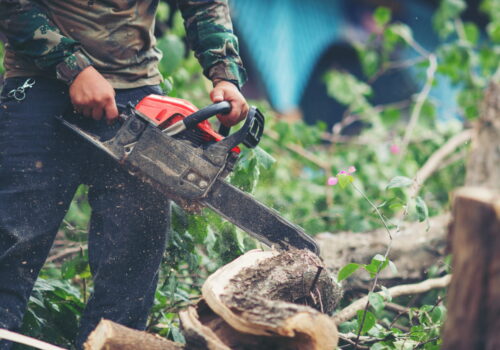
A true arborist doesn’t just show up with a chainsaw. They perform a Tree Risk Assessment. They look for signs of root rot, fungal growth, or structural “V-crotches” that might split during a high-wind event.
By asking the right questions, you shift the conversation from “how much to cut it down” to “how can we make this tree safer and healthier.” This proactive approach is exactly what helps homeowners save money in the long run by avoiding emergency removals and property damage.
Summary Checklist for Your Selection Process
To keep your search organized, use this quick checklist when interviewing candidates:
- ISA Credentials: Verified and active.
- Insurance: Liability and Workers’ Comp verified.
- References: At least three local references from the past year.
- Equipment: Do they have the right gear (cranes, lifts, rigging) for your specific job?
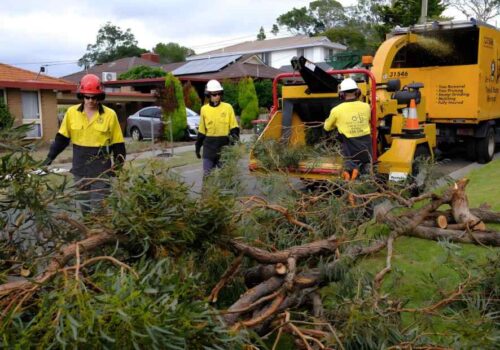
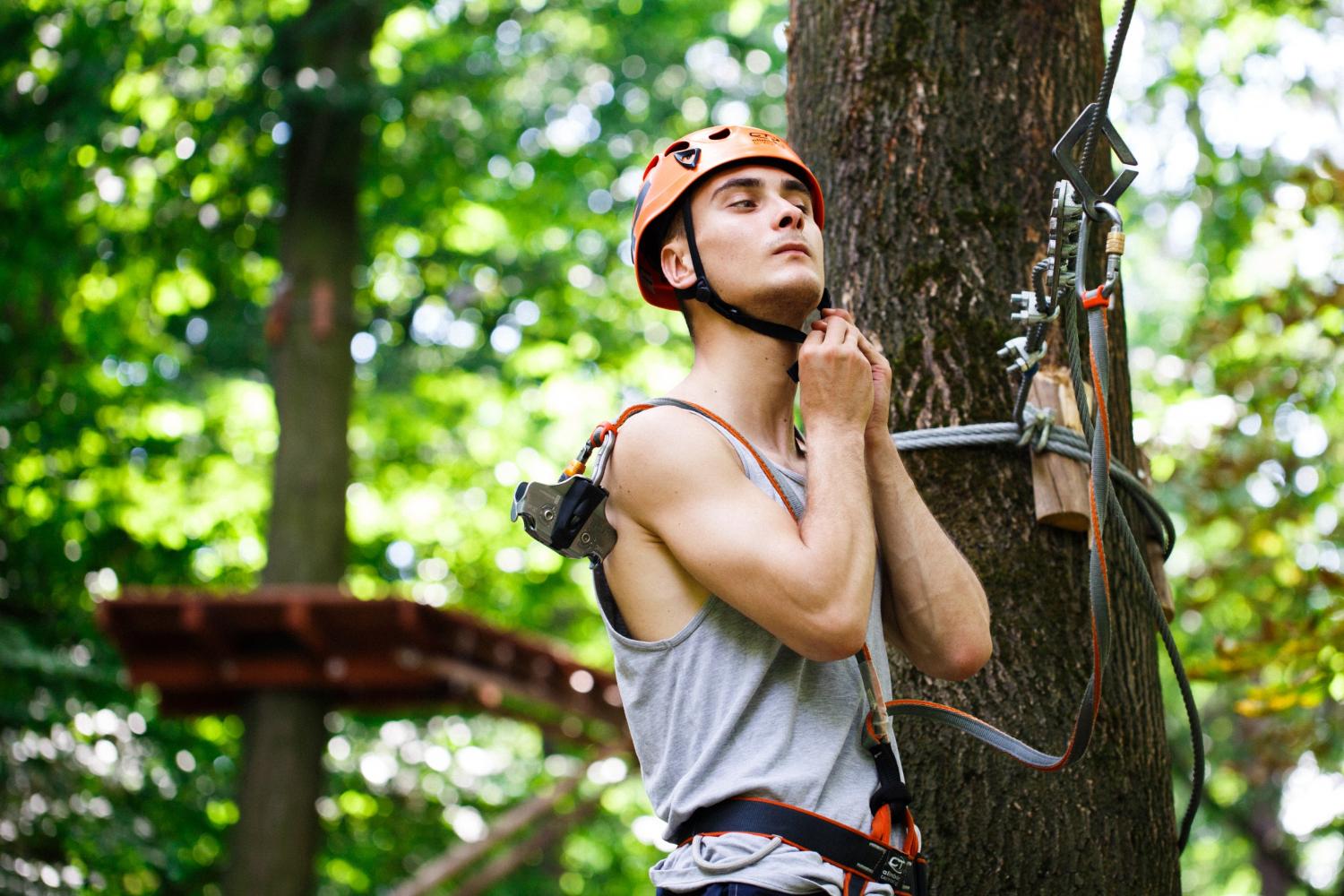
- Professionalism: Do they wear Personal Protective Equipment (PPE) like helmets and eye protection?
Conclusion
Your trees are a living legacy. Choosing the right professional to care for them requires a bit of homework, but the peace of mind is worth the effort. By focusing on certification, insurance, and industry standards, you protect your property and the environment. When you are ready to invest in the future of your landscape, remember that Mossy Tree Care is dedicated to the health and longevity of your trees through science-based care.